
Whenever the word Inbound pops up, it reminds me of Brian Halligan, the CEO of HubSpot, who coined the term ‘Inbound Marketing’, in 2005.
Little did we know back then, this new approach would take the ‘marketing world’ by storm, and ‘disrupt’ how businesses and marketers operate and thrive in this ‘neo-digital’ realm of the 21st Century, ruled by internet, emails, websites, blogs, apps, and of course.... social media!
Today, 73% of marketers are using the ‘Inbound’ Strategy to propel their businesses by attracting their targeted audience, and converting them into loyal customers.
Yes, the essence of ‘inbound’ lies not in ‘interrupting’ but rather in ‘ATTRACTING’. The only plausible ground now, for any businesses to survive, grow and shine in this highly interconnected and fast-paced world, which has drastically evolved from its traditional ‘Information-Asymmetry-Buyer-Beware’ norms, to a more sophisticated ‘Information-Parity-Seller-Beware’ culture.
The seed that instigated this ‘paradigm shift’ with a renewed modus operandi in ‘marketing’ and ‘selling’ was, I believe, planted by one of the many emerging modern marketing geniuses, Seth Godin, through his best-selling book Permission Marketing (1999).
The book with its subtitle, “Turning Strangers Into Friends and Friends Into Customers” is exactly the principle, the INBOUND Marketing or the Content Marketing world of today is based on.
It alludes to the observation that the days of ‘pushy’ salesmen and ‘interruptive’ ads are over and done with. A business today will only stand the test of time by investing in, and building authentic, personal relationships with its customers.
To nurture this relationship, you need to seek and earn your consumers’ ‘attention’ and ‘permission’ by constantly delivering quality content, ideas, products or services, coupled with meaningful doses of conversations and engagement! As Brian aptly puts it into 10 words: “Don't rent attention from customers, earn it with remarkable content!
And there isn’t a better way to capitalise this notion than through Social Media, the platform where all social engagements, whether it be; shares, posts, tweets, vines, follows, likes, etc., are primarily based on trust, acceptance and permission!!
Let’s check out some of the brilliant ways in which brands are taking on Inbound Marketing through Social Media Campaigns;
1. General Electric’s Twist on Branding
This campaign which General Electric (GE) launched on Vine and Tumblr had nothing to do with touting images/videos of its state-of-the-art electrical appliances and products, instead it took a different perspective by establishing itself as a leader and an ‘authority’ when it comes to science and ‘innovation’.
The campaign named #6SecondScienceFair was hosted by GE, where they re-vined posts from people using the ‘#6SecondScienceFair’ tag to encourage and share their interests in Science and Innovation, all the while putting up an impression and identifying the image of the brand ‘GE’ to be that of an ‘innovator’.
The example below is one of such vines of the campaign, where milk, food colouring and dish soap is combined to bring about a colourful spectacle.
And the outcome: The vine was liked 130,000 times and re-vined 105,000 times!!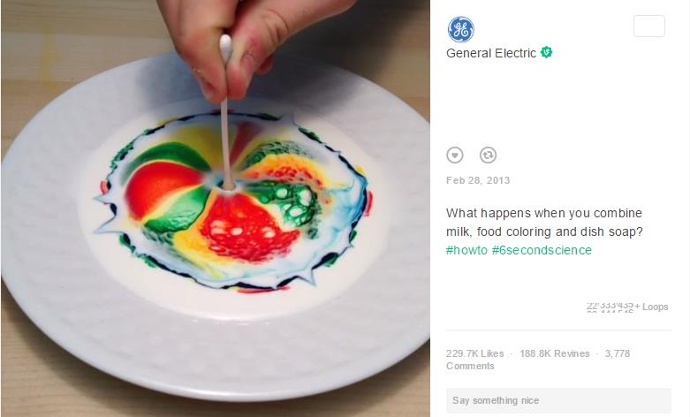
2. Coca Cola – 'Share A Coke' Campaign
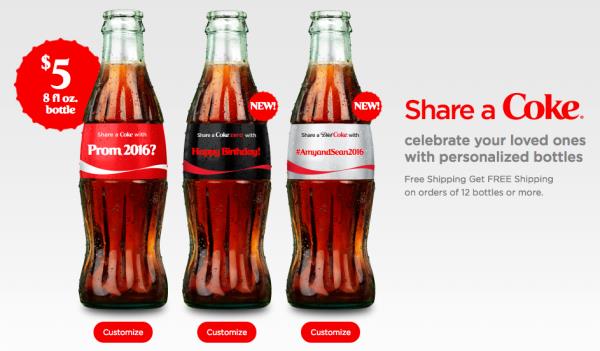
During the summers of 2013 and 2014, Coca Cola came up with its highly creative and personalised, 'Share-a-coke' campaign.
The beverage giant swapped its famous ‘Coca Cola’ logo with various individual names on its cans and bottles.
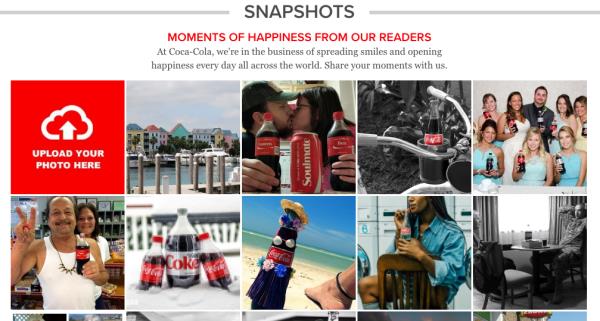
This gesture encouraged people to identify with the product and feel special about holding one in their hands. It created this shared experience, which people wanted to be a part of, and soon these bottles and cans were picked up and used to create and share stories, selfies and special moments with friends and loved ones.
Courtesy: Coca Cola
The campaign was a huge success with over a thousand names printed on coke bottles, 998 million impressions on Twitter and 235,000 tweets from 111,000 fans using the #ShareaCoke hashtag. The global company also managed to sell more than 150 million personalised bottles.
This campaign clearly demonstrates the marketing brilliance of Coke in personalising their content to resonate with the audiences – thus creating massive spontaneous engagement with the product.
3. Starbucks & Gap – Collaborative Campaigns
Both Starbucks and Gap have found success with their innovative Pinterest Campaigns with ‘Collaborative Boards’.
Collaborative Boards simply entice audiences to post User Generated Content (UGC). It opens up opportunities for the users to express their creative skills and allows them to find new ways to share and interact with your product and services.
An example below from Starbucks with its collaborative board of ‘white-cup-art’, encouraged followers use the board to paint, decorate and create new designs with the ‘iconic’ Starbucks cup and post it to share amongst the community.


And in the example above, Gap has created this collaborative Pinterest Board, where fashion bloggers and clothing enthusiasts have posted pics to display how they would craft their own ‘fashion statement’ wearing the Gap clothing.
This ingenuity in inviting the users to collaborate, creates a sense of ‘being valued’ amongst the audiences, hence more shares and engagement with the brand.
To Sum it up…
There isn’t any option now for businesses to leave out Social Media when it comes to marketing or ‘customer engagement’. Out of 3 billion internet users, when there are more than 2 billion people having social media accounts, it's only logical that businesses and brands should pull up their sleeves and embrace Social Media as an integral part of their Inbound Marketing Strategy.
In the meantime, if you'd like more assistance with your content or would like to discuss anything covered today, we'd love to hear from you.
Call Andy Fox (me) on (03) 5249 5570 or email andy@element7digital.com.au
Our Website is element7digital.com.au